


Soap Dispenser Comparison
Wall-Mounted, Automatic & Touch-Free Alternatives
Soap Dispenser or Soap Holder – What Truly Makes Sense?
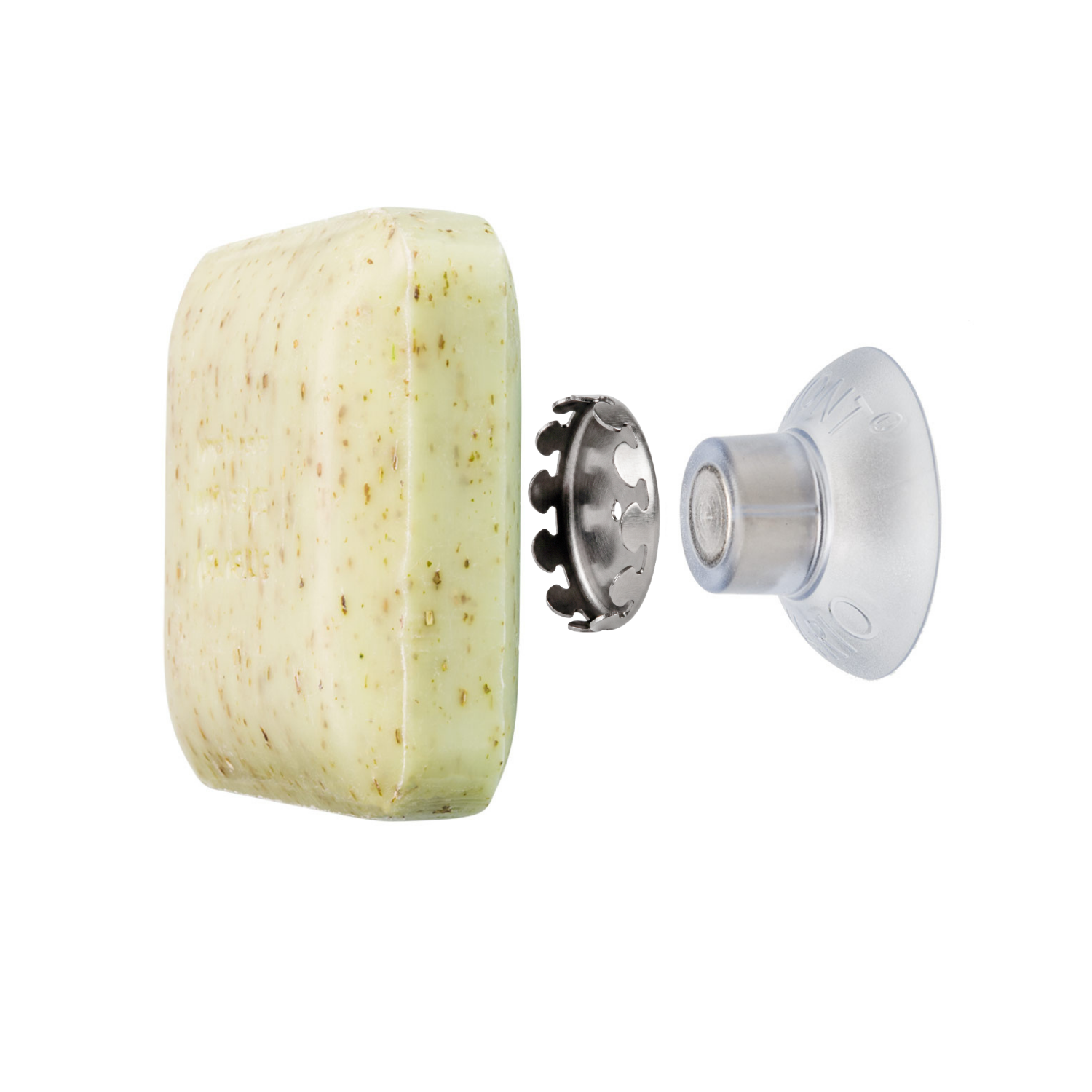
Wall mounted soap dispensers or the classic soap dispenser pump are a common sight in many bathrooms – but are they really the smartest choice? We take a closer look at the most popular ways to store soap in everyday life: from the floating SAVONT magnetic soap holder to traditional soap dishes and even the automatic soap dispenser. Our focus: hygiene, functionality, sustainability, and actual soap consumption.
Four Systems Compared Side by Side
Whether manual or automatic, freestanding or a wall mounted soap dispenser – each system comes with its pros and cons. But a closer look reveals some striking differences. The following overview shows how magnetic soap holders, classic soap dishes, and soap dispensers perform in everyday use.


Soap Dish (Wooden)

Pump Dispenser

Sensor Dispenser
Conclusion: Which Soap Holder or Soap Dispenser Makes Sense?
The comparison reveals: Soap dispensers – whether a simple soap dispenser pump or an automatic soap dispenser mounted on the wall – may seem convenient at first glance, but they come with clear drawbacks. They generate plastic waste, require regular maintenance, and often lead to significantly higher soap usage.
Traditional soap dishes may be inexpensive, but in practice, they're usually unhygienic: the bar soap sits in water, becomes sticky, or turns mushy. If you prefer using bar soap, you need a smarter solution.
The SAVONT magnetic soap holder clearly stands out: it combines hygiene, sustainability, and design – with no drilling, no batteries. The soap floats freely, dries quickly, and becomes a true eye-catcher in your bathroom.
Especially if you're looking for a wall mounted soap dispenser, it's worth thinking outside the box: the SAVONT magnetic soap holder offers an elegant and eco-friendly alternative – putting an end to overused liquid soap and messy countertops.
Liquid Soap vs Bar Soap

Bar Soap
Standard bar, 150 g
Daily use
1 person · 6–8 hand washes/day
Indicative use
≈ 0.35 g per wash
Estimated duration
≈ 9–10 weeks
Dry storage helps preserve the bar
With bar soap, the amount used is picked up gradually through friction. Allowing the bar to dry freely between washes helps prevent softening and unnecessary soap loss.

Liquid Soap
Pump dispenser, 500 ml
Daily use
1 person · 6–8 hand washes/day
Indicative use
1 pump: ≈ 1.5 ml per wash
2 pumps: ≈ 3 ml per wash
Estimated duration
1 pump: ≈ 6–8 weeks
2 pumps: ≈ 3–4 weeks
The number of pumps makes a difference
One pump can be enough, but sometimes we tend to use more than one. With two pumps instead of one, the amount of soap dispensed doubles – so a 500 ml bottle can be used up approximately twice as fast.
SAVONT – the Soap Dispenser for Bar Soap
After a direct comparison, one thing is clear: if you want to use bar soap, you need a system that combines hygiene, sustainability, and convenience. The SAVONT soap dispenser delivers exactly that – thoughtfully designed down to the last detail. No drilling, no batteries, no mess. Here are the key benefits at a glance:
Hygienic
Soap is fully ventilated and dries from all sides – no surface contact.
Easy to Use
No drilling, no gluing, no refilling.
Sustainable
No plastic, no batteries, no soap waste from abrasion.
Efficient
Bar soap lasts nearly twice as long.
Conclusion: Which Soap Holder or Soap Dispenser Makes Sense?
The comparison reveals: Soap dispensers – whether a simple soap dispenser pump or an automatic soap dispenser mounted on the wall – may seem convenient at first glance, but they come with clear drawbacks. They generate plastic waste, require regular maintenance, and often lead to significantly higher soap usage.
Traditional soap dishes may be inexpensive, but in practice, they're usually unhygienic: the bar soap sits in water, becomes sticky, or turns mushy. If you prefer using bar soap, you need a smarter solution.
The SAVONT magnetic soap holder clearly stands out: it combines hygiene, sustainability, and design – with no drilling, no batteries. The soap floats freely, dries quickly, and becomes a true eye-catcher in your bathroom.
Especially if you're looking for a wall mounted soap dispenser, it's worth thinking outside the box: the SAVONT magnetic soap holder offers an elegant and eco-friendly alternative – putting an end to overused liquid soap and messy countertops.

Frequently Asked Questions About Soap Dispensers & Soap Holders
Which is more hygienic – a pump bottle or an automatic soap dispenser? Are there soap dispensers for bar soap? And how sustainable are the different systems really?
Our answers give you clear insights – compact, practical, and to the point.
Which Type of Soap Dispenser Is the Most Hygienic?
Automatic soap dispensers with sensors are often seen as especially hygienic – since there’s no direct skin contact. But in reality, it’s a different story: Many devices fail frequently due to dead batteries or dirty sensors. The result? People end up improvising with dirty hands – and the promised hygiene turns into the opposite.
A smarter alternative is the SAVONT magnetic soap holder: As a non-electric soap dispenser for bar soap, it works without contact, reliably – and without power or maintenance. The soap stays clean, dries from all sides, and never sits in water.
Which Soap Dispenser Is the Most Sustainable?
Most soap dispensers – whether wall mounted or countertop – rely on liquid soap in plastic bottles. Refillable dispensers or bar soap are more sustainable choices. The SAVONT soap holder replaces the traditional soap dispenser entirely – with zero packaging waste, no energy use, and no refill hassle.
Is a Wall Mounted Soap Dispenser Really a Good Idea?
Wall mounted soap dispensers may look sleek and organized – but they come with one major drawback: Once installed, the drill holes are permanent.
Especially in the bathroom – one of the most valuable rooms in a home – that’s a real risk. If the dispenser breaks or you want to update your design, you’re left with visible holes that often won’t match a new model.
If you want to stay flexible, go for a soap dispenser without wall mounting – or choose an alternative like the SAVONT soap holder, which requires no drilling, no screws, and no glue.
How Hygienic Is a Soap Dish?
Soap dishes may look classic and simple at first glance – but in everyday use, they’re often impractical:
They tend to fill with water, causing the soap to soften and get used up faster.
If the dish has drainage holes, water runs onto the sink area – leaving messy soap residue.
The soap always sits on a surface – it can’t dry properly and wears down quickly.
Many soap dishes are placed outside the sink – leading to stains on bathroom furniture or countertops.
If you want to store bar soap in a hygienic, clean, and elegant way, the SAVONT soap holder offers a smart solution: The soap floats, dries from all sides, and never touches a surface.
Are Soap Dispensers Really Practical for Everyday Use?
Soap dispensers may look tidy – but in everyday use, they come with several drawbacks:
They need frequent refilling – either with plastic refill pouches or by replacing the entire bottle.
Soap dispensers are usually placed on the sink or bathroom furniture. When washing hands, water drips around the area – often creating a wet, unhygienic spot around the bottle.
A smarter option is a soap dispenser with no counter space needed – like the SAVONT soap holder, which is mounted directly inside the sink. The soap floats, stays dry – and your surfaces stay clean.
Is Liquid Soap from a Dispenser Really Economical?
Many people assume that soap dispensers provide the perfect dose – but in reality, that’s often not the case.
Each pump typically releases a thick drop of liquid soap onto wet hands. It’s hard to spread evenly – and much of it ends up washed down the drain unused.
Bar soap works differently: The friction immediately creates a uniform lather on the skin. You naturally use only as much as you need – no dripping, no overdosing.
If you’re looking to use soap more consciously and efficiently, solid soap with a dedicated soap holder like SAVONT is the smarter choice.
Barsy vs. Flacon – the Soap Showdown
What happens when bar soap takes on liquid soap – right at the sink? Barsy, our magnetic hero, stands firm. Flacon, the eternal dripper, starts slipping. Watch this short video to see why bar soap holders can be not only more practical but also way more entertaining. No spoilers – but a twist awaits.